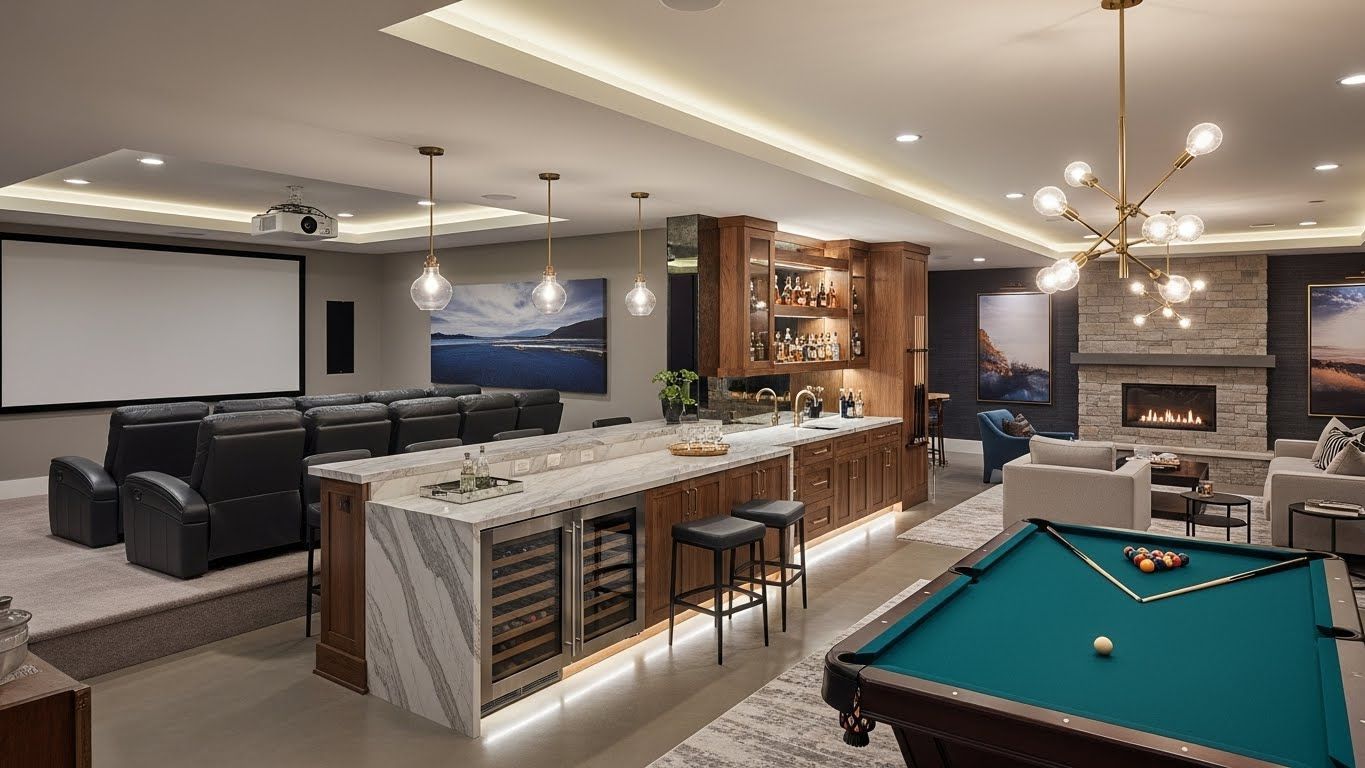
Open concept made sense as a reaction to older homes that felt chopped up and dark — formal dining rooms nobody used, kitchens hidden away at the back of the house, living spaces that felt disconnected from each other. Removing those walls created a sense of space, improved sightlines, and made entertaining easier. In a luxury home with quality finishes and thoughtful design, a well-executed open plan is genuinely impressive. You walk in and the whole space unfolds in front of you — the kitchen, the living area, the view through the back windows — and it reads as generous and light-filled in a way that closed rooms can't replicate.
Open Concept vs Traditional Floor Plans: What Luxury Buyers Actually Want
The open concept vs traditional floor plan debate has been going on in luxury homes for the better part of two decades, and it's genuinely interesting how much the conversation has shifted. For a long time, open concept was the obvious answer — knock down the walls, let the light in, make everything flow together. Now, a growing number of buyers and architects are pushing back, and the traditional floor plan is having a quiet comeback at the high end of the market. Neither side is wrong. It comes down to how you actually live.
The Luxury Home Renovations That Actually Pay Off in 2026
Get a Free Quote
Contact Us
A Design-Led Approach to High-End Remodeling

Satisfied Clients


The real-world downsides have become harder to ignore, though. Sound is the biggest one. In a truly open plan, noise from the kitchen carries everywhere. A dinner party where someone is still cleaning up while others are trying to have a quiet conversation in the living room is less relaxing than it looks in the renderings. Cooking smells travel too, which is fine when dinner smells great and less fine when it doesn't. And for families with kids, the lack of acoustic separation means there's rarely a quiet corner to retreat to. At the luxury level, where homes are often designed for both large-scale entertaining and everyday living, that tension becomes more pronounced.
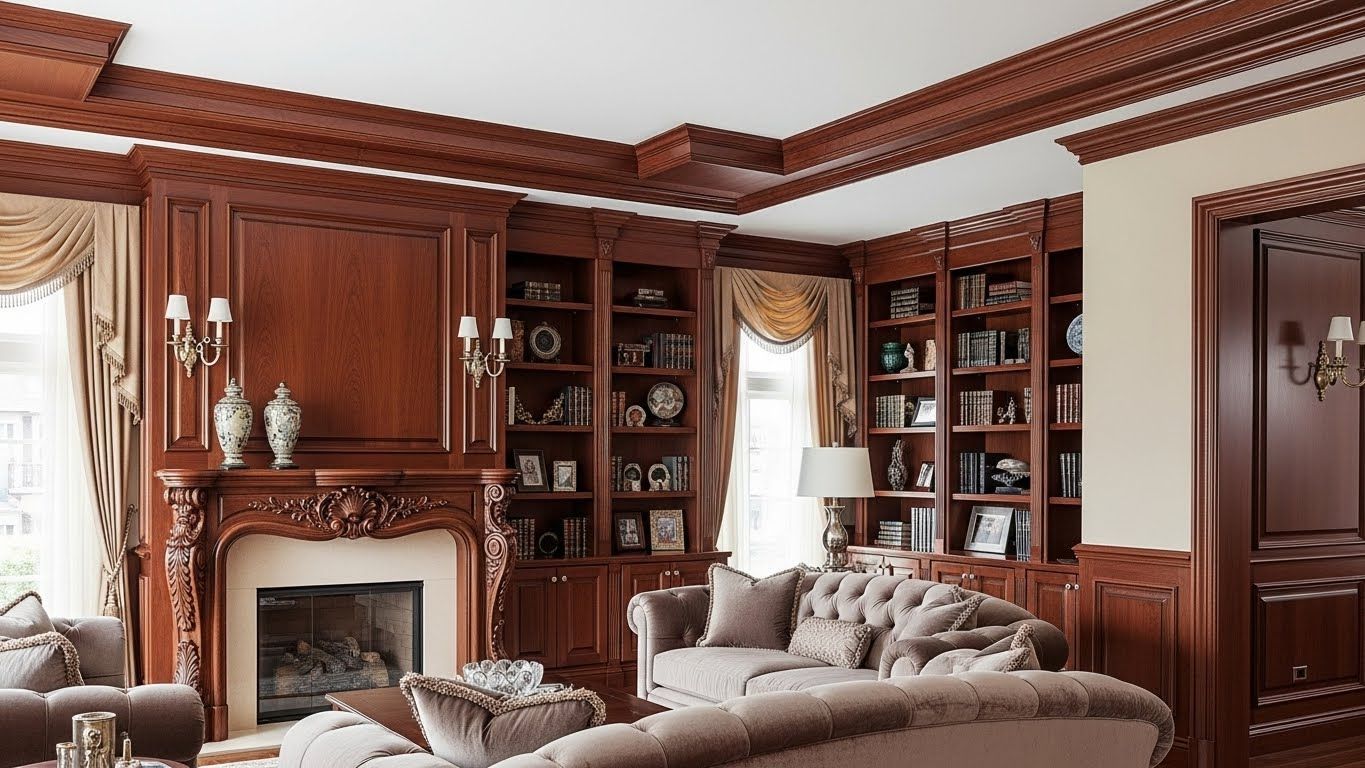
The traditional floor plan addresses all of those things by giving each room its own purpose and its own walls. A proper dining room with a door. A kitchen that can be closed off from the living areas. A study or library that actually feels separate from the rest of the house. For buyers who entertain formally, work from home, or simply value the ability to close a door and be in a distinct space, the traditional layout offers something that open concept genuinely can't. There's also an acoustic richness to rooms with four walls — the way sound behaves, the way a conversation stays contained — that's hard to manufacture in an open floor plan no matter how good the architecture is.
In the luxury market specifically, the open concept vs traditional floor plan question is increasingly being answered with a third option: a hybrid. The best high-end homes being designed right now tend to keep the kitchen and casual living areas connected — because that's how most people actually spend their daily lives — while preserving separate, defined spaces for formal entertaining, work, and retreat. You get the openness where it benefits you socially without sacrificing privacy and quiet everywhere else. A great architect will design those transitions thoughtfully, so the home feels coherent rather than like two different philosophies stitched together.
Resale value is worth thinking about too, though it's less predictable than people assume. Open concept dominated buyer preferences for so long that a lot of buyers still default to expecting it, especially in certain markets and price ranges. But preferences at the luxury tier are shifting, and homes with well-proportioned traditional rooms are finding strong demand from buyers who are tired of living in spaces where everything is visible and audible from everywhere. The safest answer is to design for how you want to live rather than trying to anticipate what a future buyer will want — at the luxury level, a home that's been thoughtfully designed for a specific way of living will always find the right buyer.
What actually drives the open concept vs traditional floor plan decision in luxury homes more than anything else is lifestyle honesty. Do you cook while entertaining, and do you want guests in the kitchen with you? Open concept serves that beautifully. Do you value quiet spaces, formal rooms, and acoustic privacy? Traditional layouts deliver that in ways that no amount of careful furniture placement in an open plan can replicate. Most people, if they're honest with themselves, want a bit of both — which is why the hybrid approach has become the dominant answer among architects designing at the top of the market. The goal isn't to pick a side. It's to build a home that actually fits the life you're going to live in it.